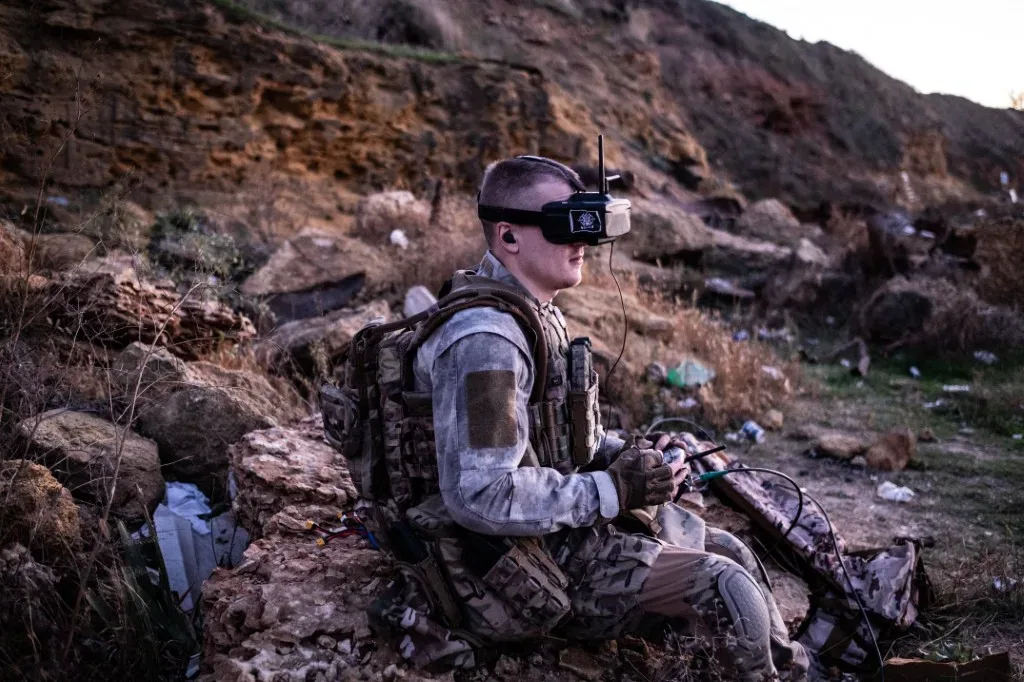
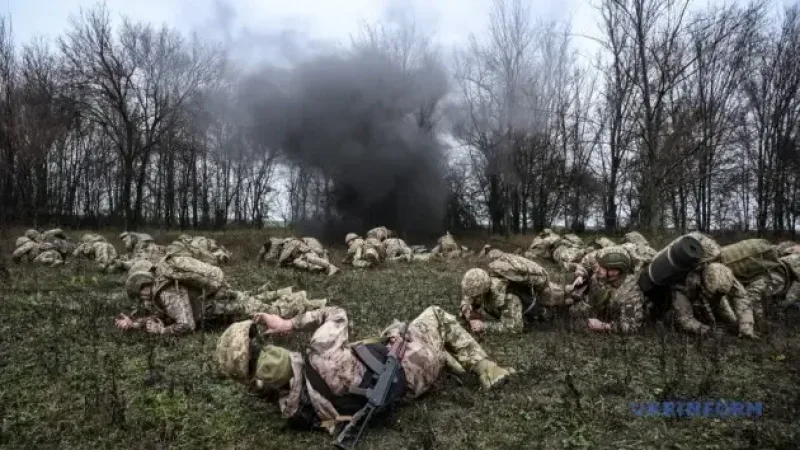

In March 2026, an announcement from Ukraine's Ministry of Defense caught the attention of military experts around the world. Over its 51-day basic military trainingBZVP course, 137 hours would be set aside for countering FPV drones. That works out to roughly 34 percent of the program's total 402 hours.
This is no ordinary curriculum tweak. It reflects a hard-nosed assessment that on the modern battlefield, FPV drones have become a decisive factor in whether an individual soldier lives or dies.
How a Single Drone Changed the Rules of War
The reason Ukraine's military is pouring so much time into drone defense is plain. When electronic-warfare equipment is knocked out, a soldier's last line of response comes down to just two options: shoot the drone down, or hide.
Those 137 hours include more than 940 rounds of live fire—shooting from a range of positions, minimizing reaction time, even hands-on drills with pump-action shotguns. It shows just how much this new threat has raised the stakes on a single soldier's reflexes and accuracy.
The shift is just as visible in engineering training: digging trenches, camouflage against thermal imagers and drones, rules for surviving in a fixed position. Everything has been rebuilt around one premise—an enemy looking down from above.
Forty-Two Days in the Field, the Rest to Adapt
One telling detail is how the 51-day course breaks down: 42 days of actual instruction, 7 days off, and 2 days of administrative work. And recruits who finish training aren't sent straight to the front. Once assigned to a unit, they go through a 14-day adjustment period, sharpening combat coordination, getting used to their fellow soldiers, and building weapons proficiency suited to that unit's particular needs.
What stands out in this phased approach is its practicality. Of the 402 hours, 367 are hands-on. Thirty-five hours of theory against 367 hours of practice—a ratio of roughly one to ten.
The three-day comprehensive tactical exerciseCTE is more realistic still: forced marches, terrain reading, nighttime tactical movement, watching for aerial threats, defending against mock attacks. All of it unfolds under the assumption of being watched from above.
What the Civilian World Is Missing
Ukraine's overhaul of military training holds real lessons for the civilian world too—especially for the drone industry and the field of education.
First, the importance of countermeasures. Most drone training centers on flying and putting drones to use. But there is almost no instruction on what to do when a drone becomes a threat. For security firms, facility-management companies, and even individuals, drone-threat response remains a blank space.
Second, a hands-on approach to instructional design. The Ukrainian military's one-to-ten theory-to-practice ratio is extreme, but it forces a reckoning with how much civilian training still leans on theory. In technical fields especially, it underscores the value of drills built around real-world scenarios.
Third, a shift in how we perceive threats. Drones are no longer just hobby gadgets or work tools. The time has come to treat them as potential threats and prepare accordingly.
Devoting 137 hours of a 51-day course to drone defense may look excessive. But it is the most honest response yet to the new reality FPV drones have created. Fundamentally rebuilding education and training to keep pace with technological change—that is what real preparedness looks like.