
The Battlefield Changed First
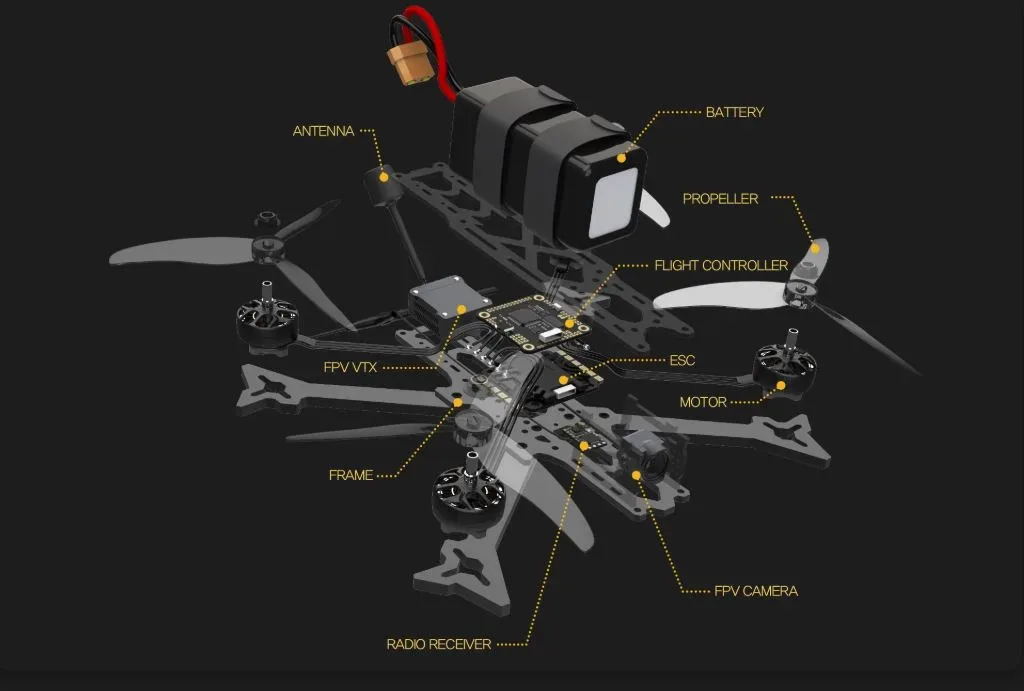
A $500 FPV drone tearing apart a multimillion-dollar tank is no longer news. By some counts, roughly 80% of the casualties on the Ukrainian battlefield now come from drone attacks. Hiding in a trench doesn't keep you safe—there's an eye watching from directly overhead.
By early 2025, Ukraine was churning out 200,000 FPV drones a month. In June 2024, it became the first country in the world to establish an unmanned-systems branch as an independent arm of its military. Russia, for its part, cuts supply lines with fiber-optic drones that reach 20 kilometers, while Ukraine fields hybrid tactics that pair machine guns with drones. Doctrine isn't being written in a manual—it's being born in the field.
An Army That Shoots Down Drones With Shotguns
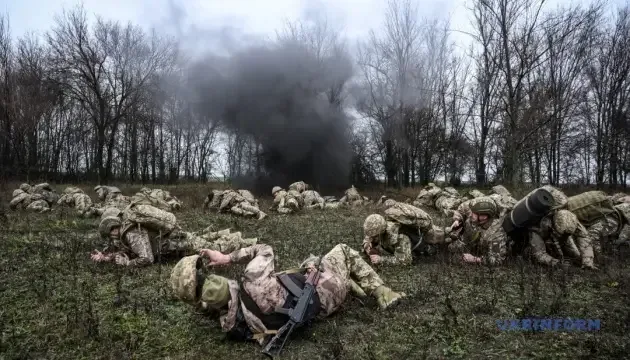
Ukraine has torn up and rebuilt its basic training for new recruits. The course now runs 51 days and 402 hours in all, 367 of them hands-on. Soldiers spend nearly ten times as long learning with their bodies as they do sitting in a classroom.
What stands out is the emphasis: defending against FPV drones. For situations where electronic-warfare gear stops working, the course includes training to knock low-flying drones out of the air with pump-action shotguns. Trench construction has changed too. Camouflage that evades drone surveillance and thermal imaging has become the core of combat-engineering instruction.
Not How to Fly Drones, But How to Survive Them
The notable shift is one of perspective. The course teaches not how to operate drones, but first how to survive under the threat of them. Marksmanship alone accounts for 137 hours, with recruits firing more than 940 live rounds. During a three-day field exercise, they have to carry out forced marches and night operations while keeping watch on the drones overhead at the same time.
The U.S. military is moving in the same direction. In early 2025, during exercises in Germany, the 10th Mountain Division integrated surveillance drones, loitering munitions, and counter-drone systems into units at the platoon level.
Where Does Korea Stand?
Korea established its Drone Operations Command in 2023—its first joint combat unit. Then, in January 2026, a special advisory committee of civilian, government, and military members recommended disbanding it, and disbanded it was. Just two and a half years after it was created.
The Ministry of National Defense has set out a goal of training 500,000 “drone warriors,” acquiring some 11,000 drones for instruction, and pouring 15 billion won into domestic drone production. The numbers are ambitious.
The problem is direction. Teaching the skill of flying a drone and teaching how to hold out on a battlefield ruled by drones are two different stories. Ukraine put shotguns into basic training to give a soldier something to do when the electronic-warfare gear isn't there. That's teaching survival, not technology.
By most assessments, Korea's drone technology lags the leading nations by five to eight years. Many domestic firms that were once world-class have shut their doors.
What Has to Change Before the Hardware
When the character of war changes, the first thing that has to change is training. Equipment can be bought with money, but the ability to respond when that equipment becomes the threat can only be built through training.
This doesn't mean Ukraine's 51-day course is perfect. But they are rewriting the manual even as they lose soldiers every day. The blood spilled on the battlefield becomes data, and it shows up in next month's recruit training.
We don't face that kind of desperation. But the absence of desperation is no reason to put off preparing. More urgent than buying 10,000 drones is raising one person who can build and fly a single drone—one soldier who knows what to do when a drone appears overhead.