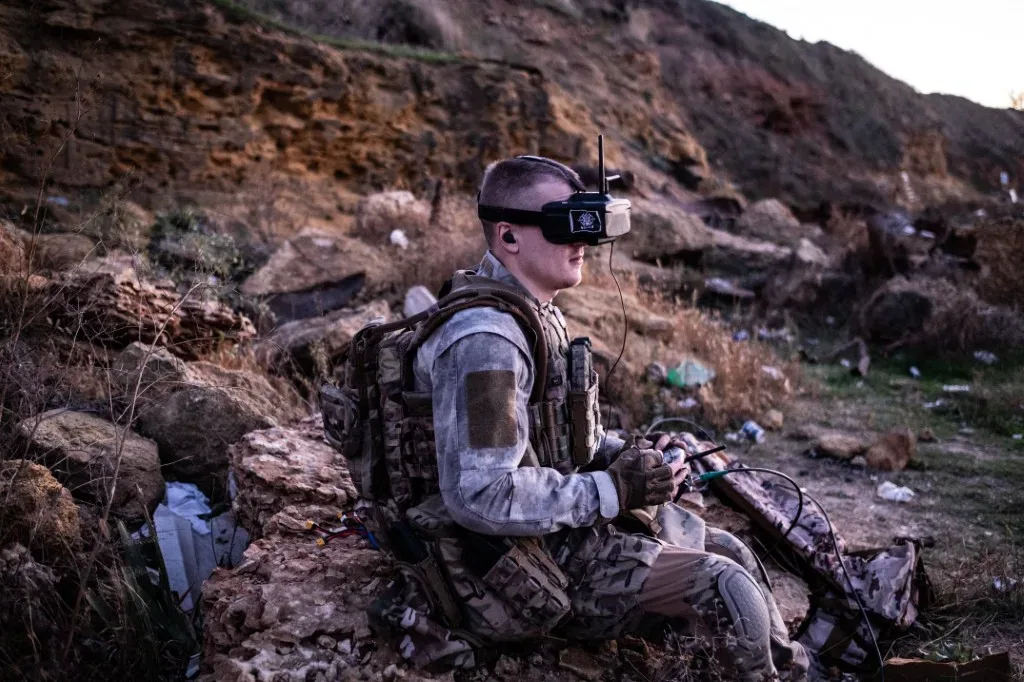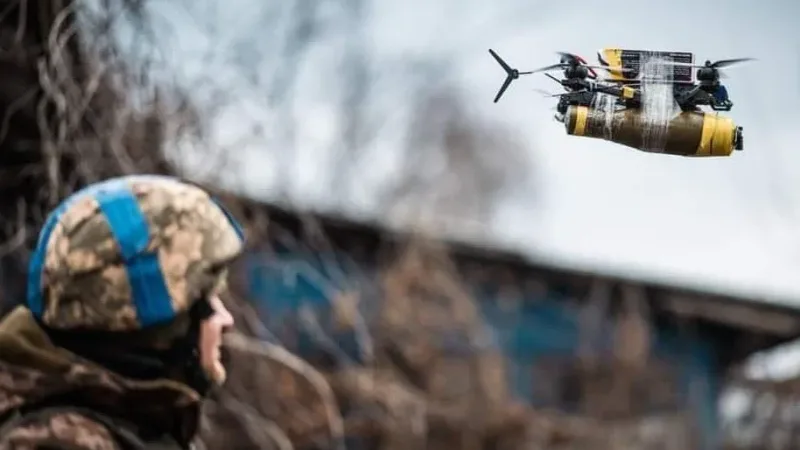

A soldier crouches in a trench, gripping a joystick, eyes locked on a screen. A $500 drone lifts off from his fingertips and hurtles toward a tank worth millions. A blast, the feed cuts out—and another drone is already prepped to fly. This is an ordinary day on Ukraine's front line in 2026.
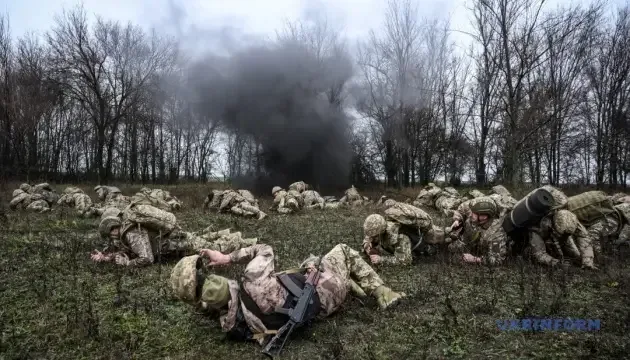
The war between Ukraine and Russia is now more than three years old. The early prediction that it would 'be over in three days' proved badly wrong, and casualties have surpassed two million. Yet the most important change to come out of this war isn't the scale of the losses. It's the fact that FPV drones have completely rewritten the rules of the battlefield.
The Rules of the Game Have Changed
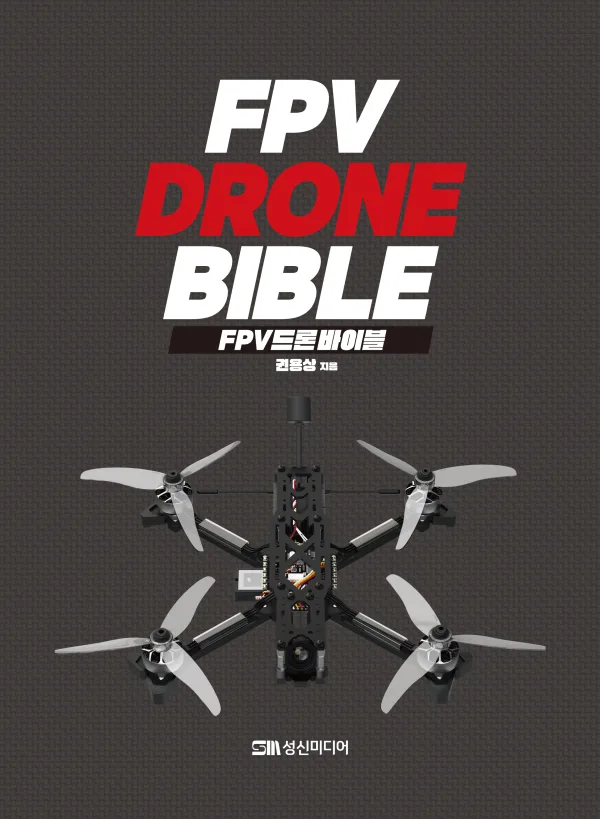
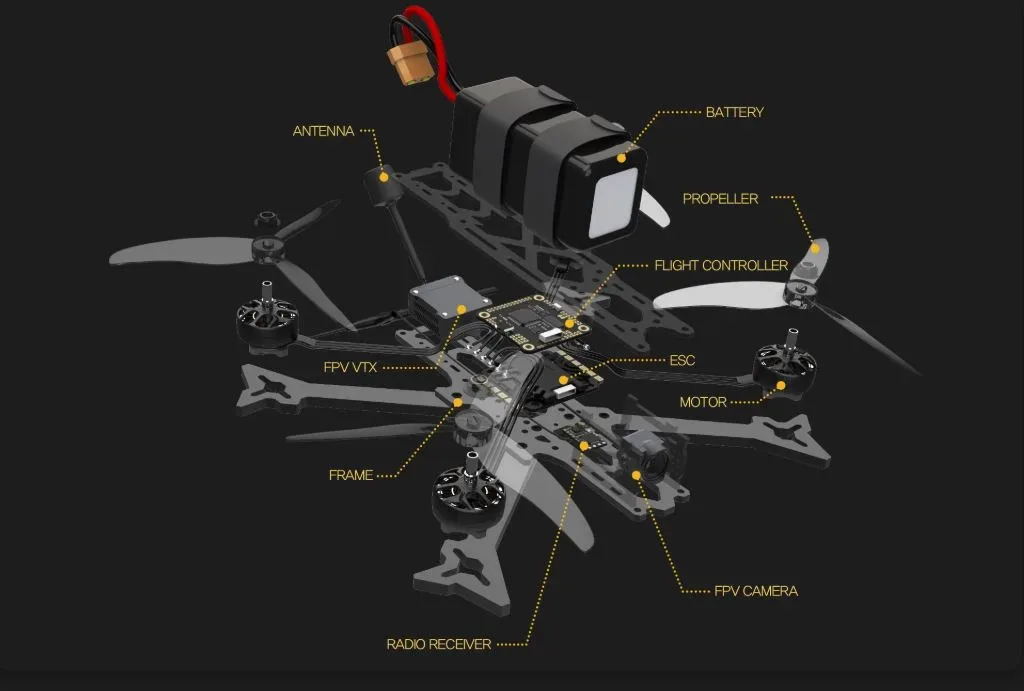
FPV stands for First-Person View. A camera mounted on the drone lets the operator fly it in real time, as if seated inside it. Once a tool for racing and hobbyists, the technology has become a decisive weapon of war.
Ukrainian forces use FPV drones tethered by fiber-optic cable to penetrate deep into enemy positions. They are immune to radio jamming, transmit high-definition video in real time, and strike with precision. Asymmetric combat—where a $500 drone neutralizes equipment worth millions—has become routine.
This is more than an advance in weapons systems. It is a shift in the very paradigm of war. We have entered an era in which low-cost drones built from civilian technology can deliver more punch than the expensive hardware churned out by the vast military-industrial complex.
Korea Is No Exception
The companies most attuned to this trend are the anti-drone firms. The Korean company Human Argos is accelerating its push into the global anti-drone market. As drones have become a threat, the technology to stop them has become a necessity.
And yet we still tend to see FPV drones as little more than a 'hobby.' On YouTube, FPV drone footage is showcased as a cinematography technique—'dolly zoom,' 'crane up'—and AI video-generation tools treat the FPV move as just another visual effect.
That gap in perception is dangerous. In Ukraine, the FPV drone has become a tool of survival, while we still regard it solely as a content-creation device. Overlook a technology's military applications, and we can fall behind at any moment.
Why You Need to Learn It Now
FPV drone technology is no longer a story about the future. It is a technology of the present, and it bears directly on our security environment. North Korea already possesses a range of drone capabilities, and China is a drone powerhouse. We cannot be the ones left behind.
What matters is that FPV drone technology is more accessible than you might think. From hardware assembly to software configuration to flight training, the environment for learning it systematically is already in place. The question is whether we approach it through the lens of 'survival learning.'
A Ukrainian soldier piloting a drone with a joystick is a portrait of combat to come. It is an era in which technical skill matters more than physical force, and creative use outweighs expensive equipment in deciding the outcome. With $500 drones now ruling the battlefield, we, too, need to be ready.