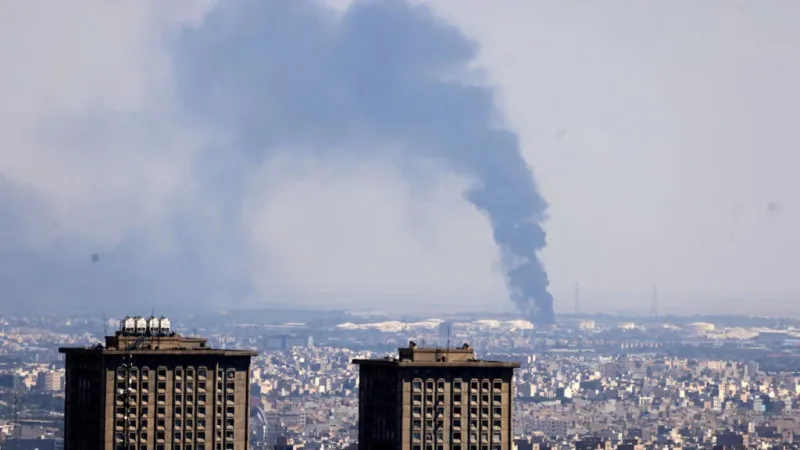

Ali Khamenei, the Supreme Leader who had ruled Iran for 37 years, has been killed in a joint US-Israeli strike. Forty senior Iranian military commanders were eliminated in the same operation, Israeli fighter jets appeared over the skies of Tehran, and the Middle East's map of power was redrawn overnight.
What unfolded in the Middle East on March 1, 2026, goes well beyond a regional conflict. For Korea's economy, the shock was immediate. WTI crude jumped $15 a barrel, and the indefinite closure of Dubai International Airport paralyzed air routes between Asia and Europe. Yet crisis and opportunity arrive together. The geopolitical realignment of the Middle East could hand Korea a new engine of growth.
Opportunity for Korea Amid Global Instability
Finance and Trade: Dreaming of a New Hub
With Iranian financial institutions now completely cut off from international payment networks, demand for financial intermediation between the Middle East and Asia is surging. This is an opening for Korea to expand its role as a financial hub.
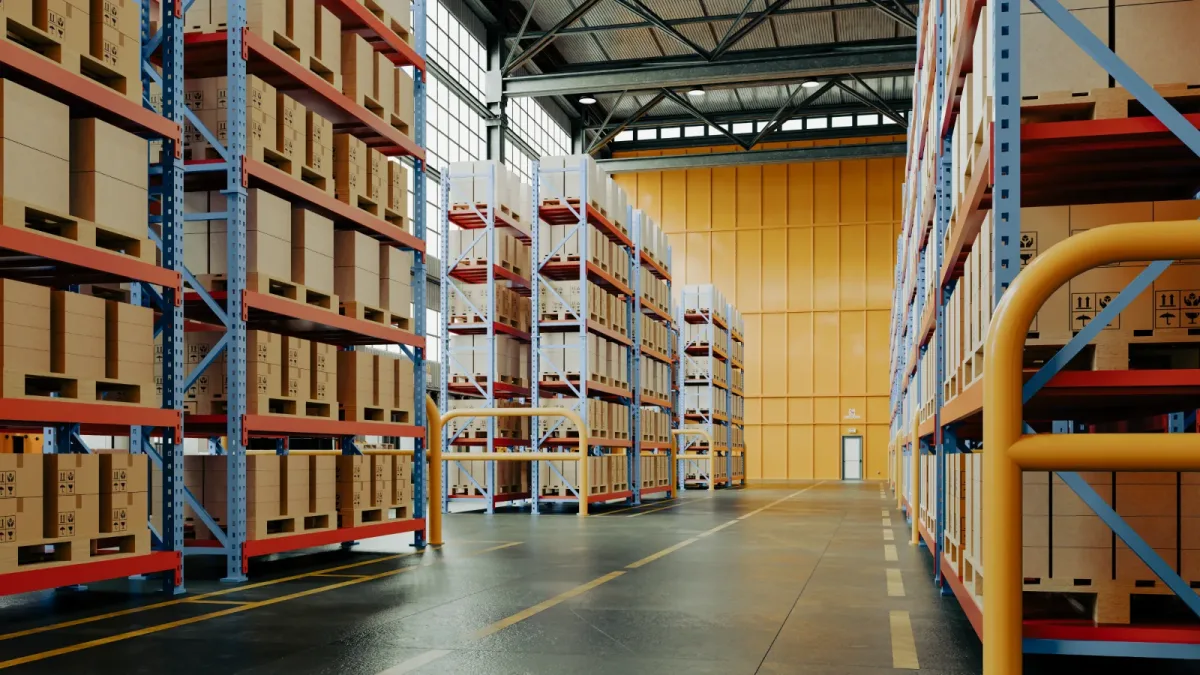
The ports of Busan and Incheon could also emerge as new logistics centers. Cargo moving between Central Asia and East Asia that once passed through Iranian ports now has to find alternative routes. If Korea deepens logistics cooperation with Kazakhstan and Uzbekistan, it could become the hub of a new Silk Road.
Currency volatility is another source of opportunity. The Middle East turmoil has kept the dollar strong, but Korean exporters can turn that into a chance to sharpen their price competitiveness. Demand for Korean consumer goods is rising in particular among oil-money states such as Saudi Arabia and the UAE.
Construction and Plants: A Time for a Comeback
Tighter sanctions on Iran have left a vacuum in the Middle Eastern infrastructure market. Gulf construction projects that once relied on Iranian firms now need alternative contractors. For Korean builders, it is a chance to win back a Middle Eastern market they had lost.
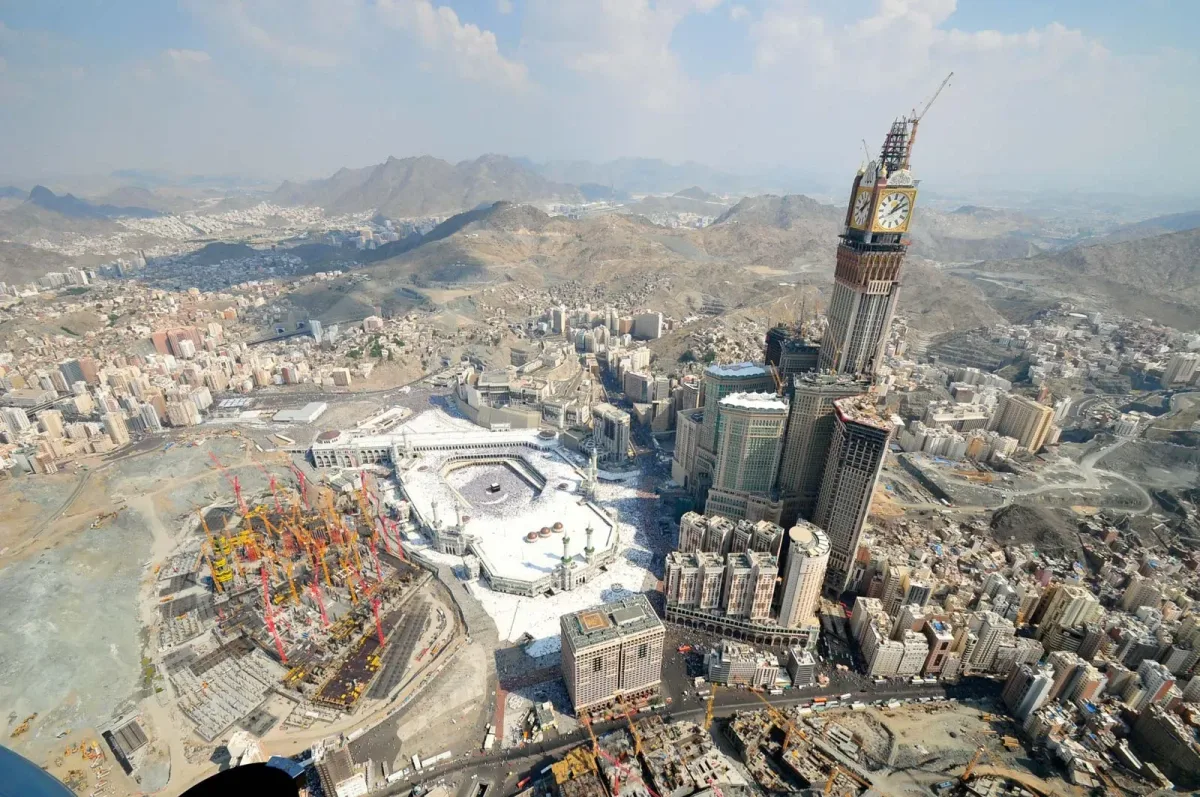
The odds of taking part in Saudi mega-projects, including NEOM City, have also grown. While geopolitical instability makes European firms hesitate to enter the region, Korean companies can instead pursue an aggressive expansion strategy. Samsung C&T and Hyundai E&C are already strengthening their ties with the Saudi royal court.
The desalination plant market deserves particular attention. As the conflict makes water security ever more critical, investment in desalination facilities is climbing fast. Doosan Enerbility's desalination technology ranks among the best in the world. This is the right moment to fill the market gap created by the Iran crisis.
A Golden Age Dawns for K-Defense
The escalating military tension in the Middle East is an unexpected boon for Korea's defense industry. As Saudi Arabia and other Gulf states move to bolster their own defense capabilities, demand for arms procurement is exploding.
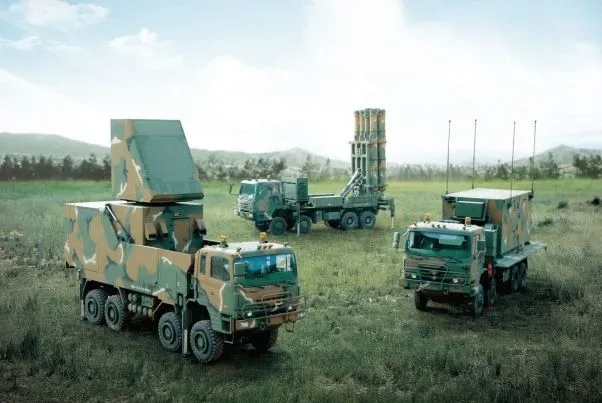
Hanwha Aerospace's Cheongung-II missile defense system has already drawn Saudi interest. With the Iranian missile threat now a reality, Gulf states are seriously weighing Korean-made air defense systems. KAI's Surion helicopter and FA-50 light attack jet are also knocking on the door of the Middle Eastern market.
More important still are technology transfer and localization. Through Vision 2030, Saudi Arabia aims to build a defense industry of its own. The door has opened for Korean defense firms to move beyond simple exports into local joint production. This is the path to a recurring revenue model rather than a one-off sale.
An Energy Crunch—and Korea Has Its Own Answer
Soaring global oil prices are an unavoidable reality. With Iranian crude exports halted and the risk of a Strait of Hormuz blockade rising, cracks have appeared in the global supply chain. Korea's crude import bill is expected to carry an additional burden of $20 billion a year.
But Korea already holds a card it has prepared in advance: the energy partnership with Saudi Arabia it has been building since 2023. Exploiting Iran's power vacuum, Saudi Arabia is moving to expand its regional dominance, and it needs a reliable partner. Korea's nuclear technology and renewable-energy solutions align precisely with the core pillars of Saudi Vision 2030.
Especially noteworthy is the diversification of LNG supply lines. With Qatar halting joint gas-field development with Iran, surplus volumes have opened up. Korea Gas Corporation (KOGAS) has already entered negotiations with Qatar on a 20-year long-term contract. The strategy is to turn an energy crisis into an opportunity to diversify supply.
Crisis into Opportunity: This Is the Decisive Moment
The post-Khamenei realignment of the Middle East is a double-edged sword for Korea. In the short term, rising energy costs and inflationary pressure are unavoidable. But over the long run, it is also a historic chance for Korea to secure a new position in the Middle Eastern market.
Speed is everything. The geopolitical interregnum will not last long. If Iran's internal power structure stabilizes, or if rival nations seize the market first, the opportunity will vanish. Now is the time for government and business to join forces and execute a swift Middle East strategy.
Strengthening the strategic partnership with Saudi Arabia is especially crucial. What is needed is a comprehensive approach that bundles energy security, defense exports, infrastructure construction, and financial cooperation into a single package. The strategic thinking that turns the Middle East crisis into a springboard for Korea's economic leap is exactly what the moment demands.