
The price of crude oil surged 30% in a single day. As West Texas Intermediate pushed past $100 a barrel, Deutsche Bank and Goldman Sachs floated the extreme scenario that oil could spike all the way to $200. In Korea, gasoline jumped from 1,700 won to 1,900 won (per liter) in the span of a week—and that is only the beginning.
This is the first time anything like it has happened in the 50 years since the original oil shock. War and a rising exchange rate have converged into a perfect storm now bearing down on the Korean economy.
The real shock arrives in two to three weeks
The fuel being sold at gas stations right now was refined from crude that was imported two to three weeks ago. In other words, it takes time for a rise in global oil prices to feed through to domestic pump prices. If gasoline is 1,900 won today, the true shock wave will land in March and April.
Think back to the Russia-Ukraine war in 2022. Gasoline climbed past 2,100 won then, and at some stations it hit 3,000 won. At the time, global oil was at $120 a barrel and the won-dollar rate was in the 1,200–1,300 range.
And today? Oil is at $100, but the won-dollar rate is 1,480—a full 250 won weaker than three years ago. Even though crude is cheaper now than it was then, the cost per barrel in won terms is almost identical.
The vicious cycle linking the won and oil
War is the kind of event that drives up the exchange rate and oil prices at the same time. When the won weakens, the burden of oil grows heavier; when oil rises, imported inflation pushes the won down further still. The vicious cycle begins.
Three years ago, when Brent crude was at $130 and the won traded in the 1,200s, the average price of gasoline was 1,700 won. Today, with Brent at $107 and the won at 1,470, gasoline is 1,900 won. Global oil is lower, yet the price we pay at the pump is higher.
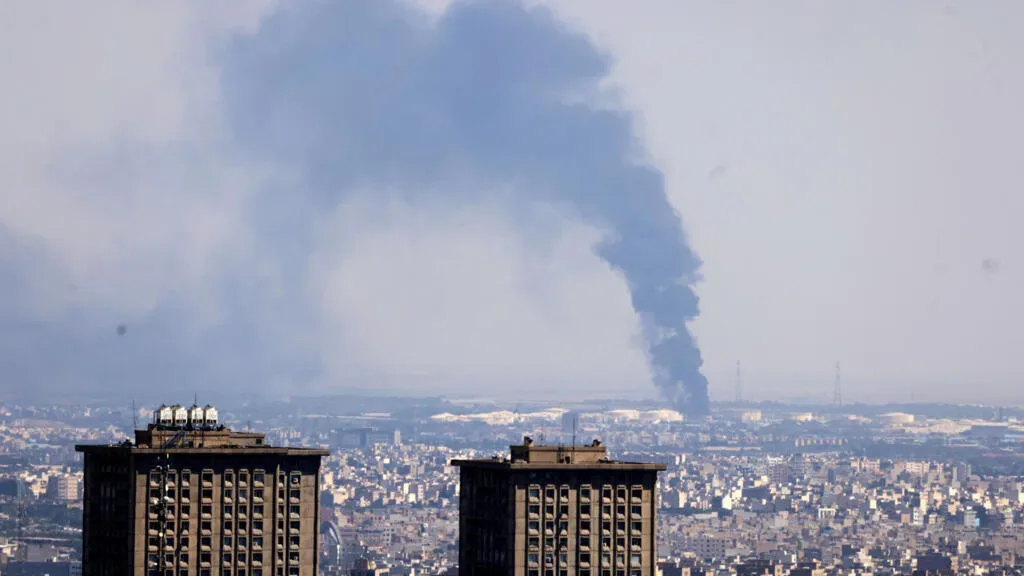
In Iran, Mostafa Khamenei has been chosen as the new Supreme Leader. A close associate of the late Khamenei, his selection makes any quick end to the war look unlikely. Should the conflict drag on for three to six months, gasoline at 2,500 won—or even 3,000 won—is no longer out of the question.
The government's price cap on oil: poison or cure?
The maximum price cap on oil now under government review may look like a short-term fix, but it is dangerous. Artificially suppressing the market mechanism can shut down gas stations and paralyze logistics. The warning is that the moment suppliers can no longer absorb their losses and walk away from the business, the national system could collapse within three months.
We see this not as a simple rise in fuel prices but as a structural crisis. The reason: the early signs of stagflation, just as in the oil shocks of the 1970s, are beginning to appear—prices climbing while economic growth slows, the very scenario policymakers fear most.
How should individuals prepare?
In the face of a macroeconomic crisis, the choices available to an individual are limited. But they are not entirely powerless. Securing safe-haven assets such as dollars and gold is a realistic line of defense.
When the exchange rate and oil prices rise in tandem, the real value of won-denominated assets erodes quickly. Holding a certain share of foreign-currency assets can help cushion that kind of shock.
There is also the matter of strategic petroleum reserves to consider. It is an issue tied directly to national security, and if energy security falters, even an individual's economic preparations may count for little.
The first oil shock in 50 years is becoming reality. This is more than just a rise in fuel prices—it is a crisis that threatens the entire national system. At the individual level, it is time to think seriously about securing safe-haven assets; at the societal level, about establishing genuine energy security.