
The Author's Role in the Age of Generative AI
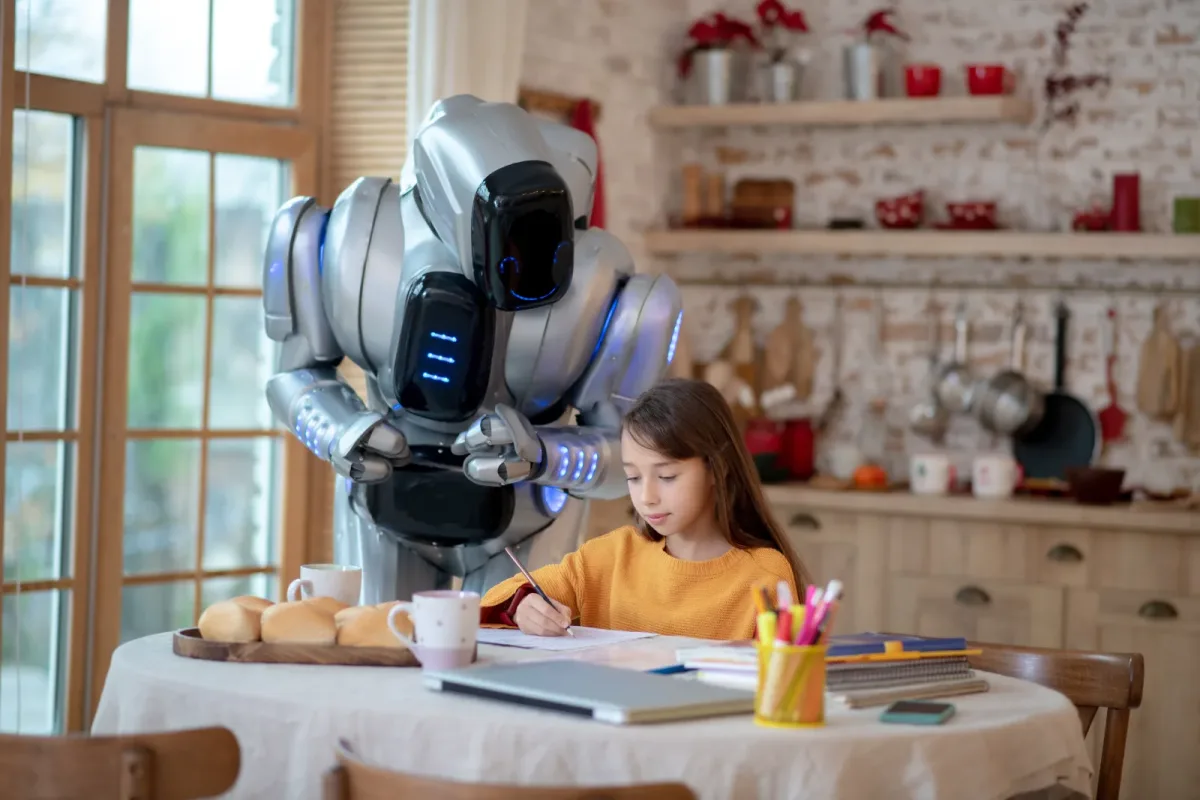
In an era when generative AI can produce any story imaginable, its arrival in our daily lives has prompted me to reconsider what it truly means to be an author.
Going forward, an author is no longer simply someone who writes. The author is the final authority who verifies and approves AI-generated text within their own field of expertise.
In publishing, we encounter all kinds of writing, and increasingly, AI plays a hand in producing it. Using AI to write has become genuinely routine and widespread. The publishing industry doesn't advertise it, but it relies on AI far more than most people realize. Since our work revolves around text, large language models are simply too useful a tool to pass up. As a result, I believe our industry now stands right on the blurry line where the very notion of copyright starts to break down.
The Limits of the Traditional Notion of Authorship
One thing I've felt consistently while running a publishing business is that the strength of the content ultimately determines the strength of the author. Content, in the end, reflects the author — it reveals their intellectual level and the values they pursue.
Traditionally, the author's job was to convert knowledge into writing and deliver it to readers. To put their own experience into words, an author had to master the craft of writing on their own — and the people with that skill became authors without much difficulty. That meant only people with a natural gift for prose — in fiction, essays, poetry — could easily rise into the ranks of "authors." It was a system that recognized only those capable of writing compellingly.
But as self-publishing and e-publishing made it far easier for more people to publish, the pool of authors expanded. And as more media emerged to substitute for books, that category broadened even further into what we now call "creators."
In our case — producing practical guides, business books, and self-help titles — many of our authors aren't professional writers at all. That makes sense: the people succeeding in their own fields, blazing their own trails in their own leagues, are often people whose expertise has nothing to do with writing.
How AI Is Changing Life in the Publishing Trenches
That's why, as an editor and publisher, helping authors actually produce content has always been genuinely difficult work. I would walk authors through things like how to gather ideas, or how to sort those ideas into categories using sticky notes.
Now that AI can generate text on its own, the prevailing attitude has become: just let AI write it. But I can spot an AI-written proposal or manuscript the moment I see one. And I suspect any avid reader would feel the same instinctive resistance reading it — the same uncanny discomfort you get looking at an AI-generated image or video.
Using AI the Right Way
That's not to say AI is only a negative. For authors and experts who struggled to organize their own thoughts into writing, generating text with AI's help can be enormously useful.
So here's what I'd tell you: when you use AI to produce writing, first organize your own thinking, then use AI to amplify it. Don't have AI generate content you don't actually know and pass it off as your own — instead, use AI in the process of organizing, refining, and putting into words the expertise you already hold. Do that, and your content takes real textual shape. AI becomes the tool that turns tacit knowledge — the kind that only ever lived in your head — into explicit, codified knowledge.
What Publishing Means Now — and the Author's New Role
Publishing is no longer primarily about selling lots of copies and collecting royalties. It has become a credible, authoritative medium through which people systematically organize their expertise into a book — turning it into a structured, packaged product. And going forward, the author's role isn't to be someone who writes beautifully; it's to be the person who lends credibility and trust to the book that carries their name.
Ultimately, whenever you use AI to generate content, you must always keep in mind that you are the one taking responsibility for it and putting it out into the world with your credibility behind it.