Smart Glasses You Can't Tell From the Real Thing
Vivian, a college student in China's Hebei province, scans her exam papers and asks AI for the answers. The smart glasses she wears look exactly like an ordinary pair, so even proctors can't tell the difference. "I'll use them for any subject if I think I might fail," she says — and for students across Chinese campuses, AI smart glasses are becoming just that: an everyday tool.
A study by researchers at the Hong Kong University of Science and Technology found something worth pausing on. Students who took exams using smart glasses connected to ChatGPT scored an average of 92.5 points — more than 20 points above the overall average of 72. Most of the wearers landed in the top 5 percent.
Demand has even spawned a rental market. Kechuangsi, a company that rents out smart glasses, says it has lent devices to more than 1,000 people over the past four months. This isn't a scattering of individual cheaters — it's a market that has taken shape around the practice.
Korea Is No Exception
In 2024, an applicant to Waseda University was caught photographing exam questions with smart glasses and sending them outside the room. Proctors didn't notice during the test itself — the cheating only came to light after someone reported it later. It's a vivid illustration of how oversight is struggling to keep pace with the technology.
Korean campuses aren't faring any better. Last year, multiple students at Yonsei University, Korea University, and elsewhere were caught cheating with AI. They shared answers from ChatGPT and Gemini in real time through open chat rooms. As AI has become easier to access, the shape of academic dishonesty has evolved along with it.
South Korea's Ministry of Education issued "AI Usage Ethics Guidelines" this past February, but critics say policy still hasn't caught up with the pace of technology. Principle-level guidance on integrity, transparency, and fairness is a poor match for the specifics of real situations.
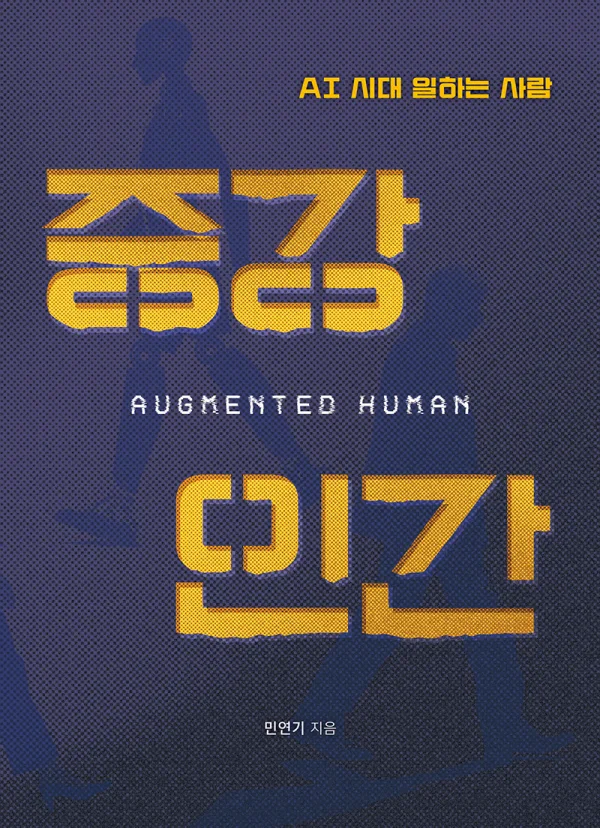
In the Age of the Augmented Human, It's Time to Rethink How We Test
Should we really file this away as simple "cheating"? At a moment when AI is extending human cognitive capacity, testing methods built to measure memory and raw computation may themselves be out of date. Almost no one memorizes phone numbers anymore now that smartphones exist — so it's fair to ask whether the ability to do complex calculations without AI still matters the way it once did.
The real question is what we're actually trying to measure: the capacity to memorize information, or the capacity to solve problems. If the skill society will need going forward is the ability to achieve more by working alongside AI, then today's exam system may be the thing that's actually behind the times.