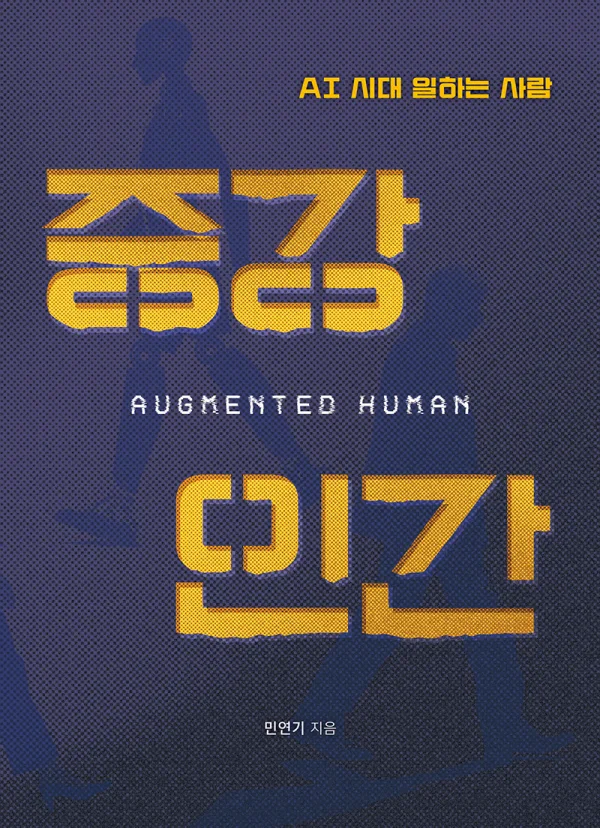
AI agents handling computers on our behalf has become an everyday sight. They draft documents, edit code, and organize research without being asked twice, and a single question is spreading among office workers: if AI does all that, what's actually left for me to do? This piece answers that question. It walks through what stage we're at in "Work 3.0," the era where AI handles data collection and information generation on its own, and then lays out how to build the one skill that remains distinctly human: judgment.
What Is the Work 3.0 Era?
The shift becomes clear once you see work as the relationship between data and information. Labor becomes work only when scattered data gets gathered and turned into something useful. Until now, most of a typical workday has been exactly that conversion process — hunting down material, organizing it, and turning it into a report. What defines Work 3.0 is that AI now handles this conversion on its own: the data-gathering and information-generating part of the job. Market research summaries, first drafts of proposals, even proposed code fixes — AI produces them. What's disappeared is the labor of turning data into information, not work itself.
Why Judgment Is What's Left for Humans in the AI Era
Once AI takes over generating information, one task remains for us: judging the value of what it produces. AI can churn out plausible-looking results endlessly. But deciding which of those results actually serves our organization's purpose, what to adopt and what to discard, is a moment that still requires a human call. As production becomes abundant, selection becomes precious. To say judgment is what's left for humans in the AI era is to say the center of gravity in work is shifting from making to choosing.
Three Exercises to Build Judgment
First, write your criteria down before you start. Before handing a task to AI, jot down even one line covering the purpose, the audience, and the constraints. Without criteria, receiving the output becomes an exercise in appreciation, not judgment. Second, practice discarding. Out of whatever AI produces, reject at least one item and explain why out loud. The muscle of judgment grows more from rejection than from acceptance. Third, log your decisions and review them later. Leave one line noting why you picked a given option, then compare it against the actual outcome a week later. Judgment only improves through this cycle of feedback.
The Form Changes, But the Work Goes On
Every time the stage shifted — from field to factory, from factory to office — there were predictions that work would end. It never did. Only the form changes; the work continues. So the question worth asking now isn't whether your job is disappearing, but where the shape of your job is heading next. Take today's to-do list and split it into two piles: tasks that convert data into information, and tasks that judge the value of that information. The first pile is what goes to AI. The second is what you need to build up.
How to Apply This Tomorrow Morning
To sum up: when you get to work, pick one task to hand off to AI, and before you do, write one line stating your criteria for judging it. When you get the output, reject at least one piece of it and note why. On Friday, review that log. Keep this routine for just a month, and you'll know — not in theory, but in practice — what's actually left for humans in the AI era. In the Work 3.0 era, the edge goes not to whoever produces the most, but to whoever chooses most precisely.