
The State Right Before Burnout
You go to bed without ever muting your work messenger notifications, even after clocking out. The exhaustion doesn't lift even after a full weekend off, and work that used to feel meaningful now triggers cynicism before anything else. You haven't completely broken down yet. But something is clearly burning.
That state now has a name: "toast-out syndrome."
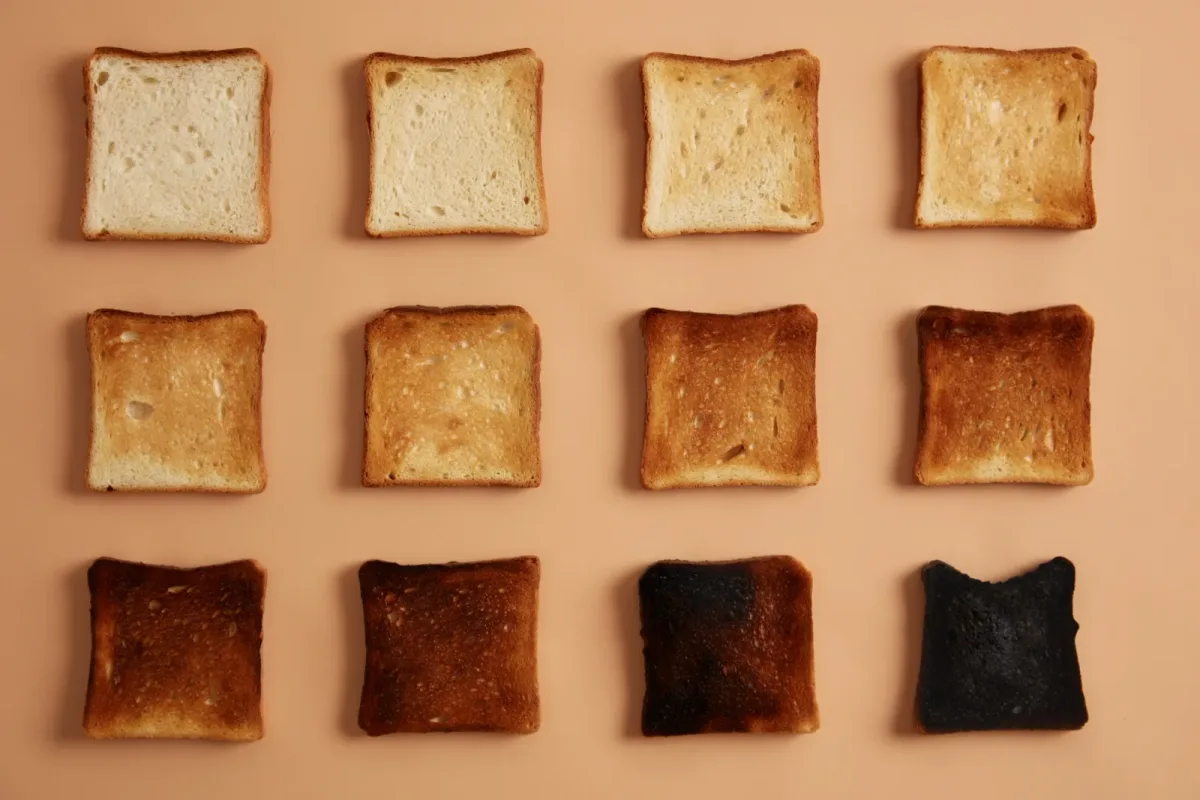
If burnout is a state where all your energy has been completely used up, toast-out is the stage right before that — you look fine on the outside, but you're scorching on the inside. If burnout is bread burned black, toast-out is bread still turning golden brown.
More Sleep Isn't the Answer
In a JobKorea survey, 47.9% of workers who had experienced burnout said they recovered by "taking vacation or leave." But the second most common answer, at 41.5%, was "took up a hobby outside of work."
Dr. Han Kyu-man of the psychiatry department at Korea University Anam Hospital says the key to dealing with burnout isn't "toughing it out longer" but "building a structure that allows recovery." Dr. Hwang So-young of Kangbuk Samsung Hospital echoes this, recommending active hobbies over passive rest like sleeping or watching TV.
The key word here is "active." Lying around watching Netflix might feel like rest, but your brain keeps getting stimulated the whole time. What recovery actually requires is time when stimulation is dialed down while your hands and eyes stay absorbed in something.
Why We Now Have a Word for Staring at Water
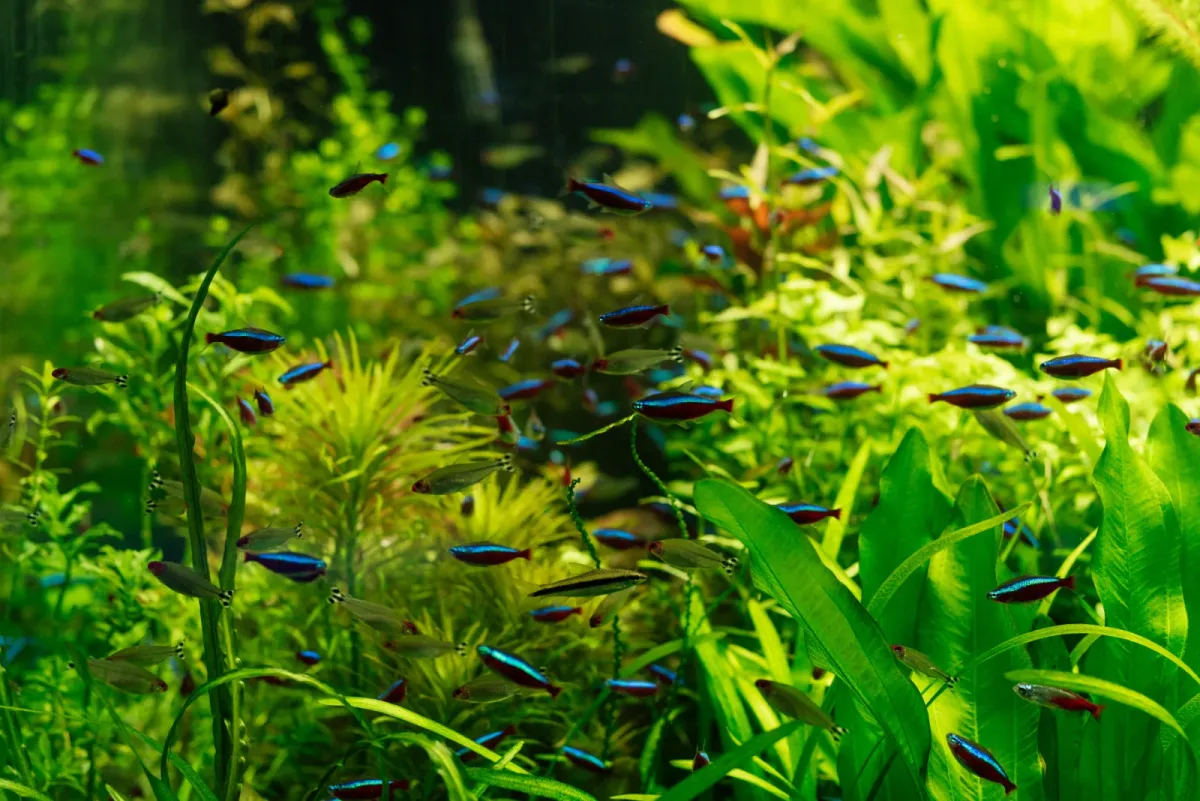
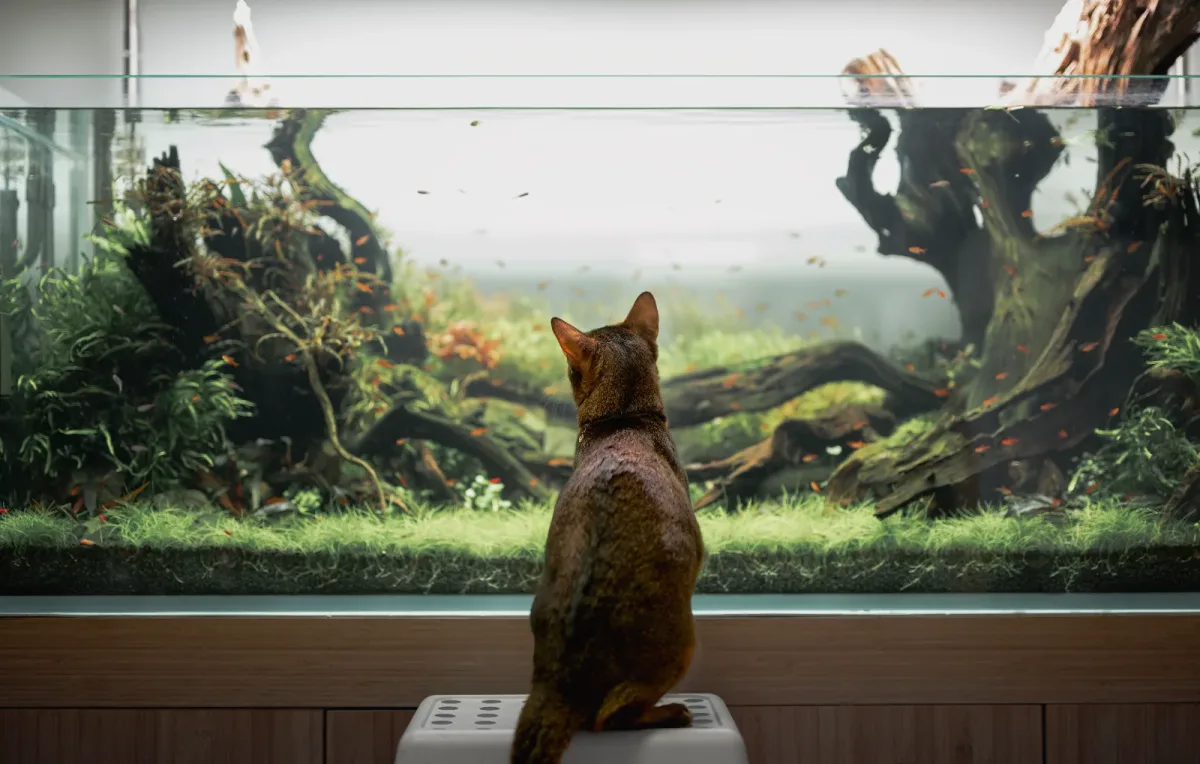
If bul-meong — zoning out while staring blankly at a fire — spread alongside Korea's camping boom, mul-meong is its indoor cousin: zoning out while watching aquatic plants sway and fish glide through a tank. There's real research behind it, too. Studies show that watching an aquarium lowers heart rate and blood pressure, and reduces stress hormones.
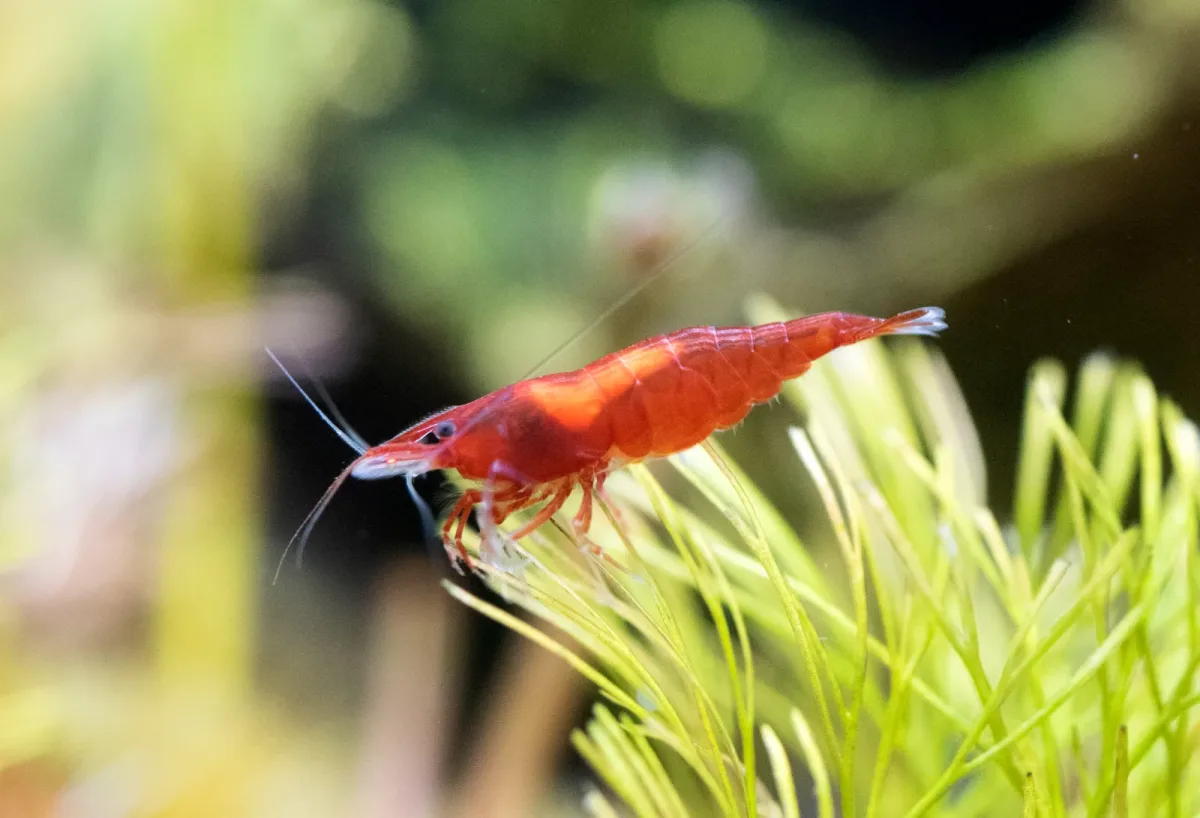
If mul-meong is just watching, aquascaping goes a step further. It's the practice of arranging aquatic plants, stones, and driftwood to build a landscape inside a tank. You lay down substrate, angle the stones, and arrange plants by height and color. About two weeks later, once the plants have taken root, you add fish and watch a small ecosystem start running on its own.
What sets it apart from other hobbies is that you're making something by hand, but the result is alive and moving. Pottery or woodworking ends the moment you finish it, but a tank keeps changing, a little every day, even after you've built it. Plants grow, fish breed, and colors shift under the light. The upkeep itself gives your day-to-day a rhythm.
Why This Hobby, Why Now
There are three reasons to consider taking up aquascaping.
It's entirely self-contained indoors. Unlike camping or hiking, you don't need to carve out big blocks of time or travel anywhere. Fifteen minutes in your living room after work is enough — trimming plants, checking the water, feeding the fish. In that short window, you're completely disconnected from work.
The cost of entry has come down. For a mini 30cm tank, starting costs run in the low hundreds of thousands of won (roughly $70–150). Go deep enough and the spending can be bottomless, of course, but getting started doesn't take much.
You can do it alone. When you're on the edge of burnout, just being around people can drain your energy. Aquascaping is a solitary hobby. That said, if you want more, you can share photos of your tank in online communities or even enter international competitions — you get to decide how much social connection to add.
Nature You Don't Have to Travel For
For city-dwelling office workers, "get closer to nature" is advice that's hard to actually follow. If you had the energy to hike a mountain on the weekend, you probably wouldn't be burned out in the first place. But put a 30cm tank on your desk, and you get a glimpse of nature before you leave for work and again after you get home.
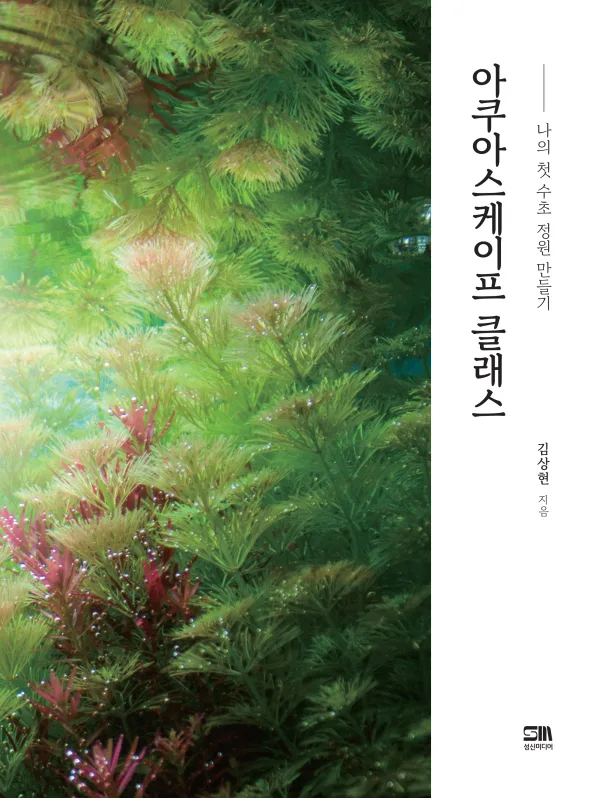
Building a landscape inside a tank is simpler than it sounds. Lay down some substrate, place three stones, plant a few clusters of aquatic plants, and you're off. Author Kim Sang-hyun's book "Aquascape Class" walks through everything from choosing plants to arranging and maintaining them, with photos of more than 130 plant species. A few days later, when you see bubbles rising off the plants, you can feel that this small world is alive. That sensation, it turns out, matters a great deal to a mind that's teetering on the edge of burnout.