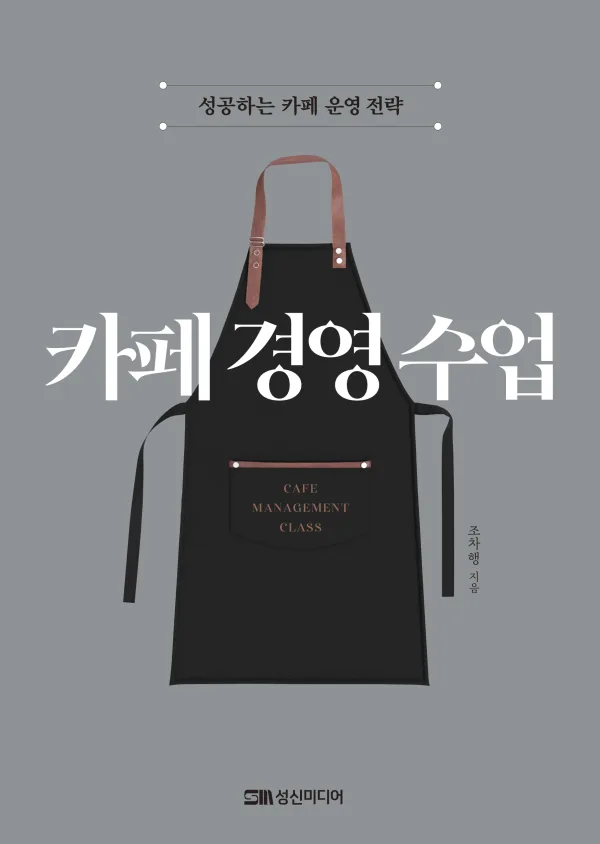


Coffee consumption rises every year, and the bean market keeps expanding right along with it. Cafés keep opening too — but just as many quietly close their doors. If the market is growing, why can't my shop survive? This piece looks for the answer to why cafés fail not in the launch, but in the operation. Working from the premise that success or failure is decided by operations rather than by the opening itself, it lays out how to turn a café's daily grind into a real process built around four positions: POS, bar, pickup, and backup.
Why Do Cafés Fail? Opening One Is Simple. Making Money Isn't.
Starting a café is, in itself, simpler than people expect. Find a location, do the interior, bring in a machine, settle on a menu, and the shop opens. It takes money and time, but the steps are clear. The problem comes after that. Actually generating revenue is anything but simple. How fast staff respond during rush hours, how consistent the drinks taste, how well inventory and labor are managed — these repeat every single day and add up to the shop's report card. Many cafés pour their effort into preparing for launch, then open their doors having left the operational design blank. That's the first answer to why cafés fail.
What Decides Win or Lose Isn't the People — It's the Process
Running a café is, in the end, a fight fought by people. The owner and staff greet customers, make the drinks, and hold down the shop. But what decides who wins that fight isn't individual talent — it's process. A shop that leans on one gifted barista wobbles the moment that person is out. A shop that has set a sequence for the work — so that whoever stands at any given post delivers the same quality and speed — holds steady even as people come and go. Designing operations means turning that process into muscle memory, built into the flow of the room, rather than leaving it as a document nobody reads.
POS, Bar, Pickup, Backup — the Four Positions That Run the Floor
To turn a café's day into a process, the work first has to be split into four positions.
- POS: The post that handles orders and payment — and the first face a customer meets. Get the order right here, and nothing downstream gets tangled.
- Bar: Where the drinks get made. The key is standardizing the recipe and the steps so the taste stays the same no matter who's working it.
- Pickup: Where the finished drink is checked and handed to the customer — also the last quality check that the order and the product actually match.
- Backup: Covers restocking, dishwashing, and prepping supplies — less visible work that, if it stalls, stops everything else.
Even a one-person shop benefits from this breakdown. The goal isn't doing all four jobs at once — it's knowing, at any given moment, which position you're actually standing in. That awareness is where taking control of the floor begins.
Beyond Any Single Position: Seeing the Whole Floor
Once the four positions are defined, the next thing you need is a view of the whole floor. Doing each post well and having the whole shop run well are two different things. When orders back up during a rush, it's the operator's job to spot whether the bottleneck is at POS, the bar, or pickup, and decide where to send backup. That's why staff training should rotate people through positions rather than locking each person into one. Only someone who has worked every post can read the signals from the position next to them and move before being asked.
What to Check in Your Shop Today
- Write out your shop's work sorted into POS, bar, pickup, and backup. Any task that doesn't fit into one of the four is a likely bottleneck.
- Lay out each position's key steps in order, and check whether the outcome stays the same no matter who's working it.
- Pick one rush period, watch where orders back up, and turn where backup should step in into a standing rule.
- If you have staff, rotate positions weekly so the whole team builds a feel for the entire floor.
This is where the shops that close and the shops that hold steady under the same market conditions part ways. If your café is struggling right now, the problem isn't that you opened it wrong — it's that you haven't designed the operations yet.