
The Margin Gap Among Low-Cost Coffee Brands
More than 500 franchise owners of low-cost coffee chains in Korea have filed lawsuits against their corporate headquarters — roughly 320 owners of Mega MGC Coffee outlets and about 200 from The Venti. Their complaint: "We're barely scraping out a profit selling coffee at 1,500 won a cup on razor-thin margins, while headquarters keeps getting fatter."
Drawing on audit reports filed with Korea's Financial Supervisory Service, the Korea Economic Daily has published, for the first time, a side-by-side comparison of gross profit margins across low-cost coffee brands. Even within the same budget category, the cut headquarters takes varies sharply from brand to brand — numbers anyone considering opening a café needs to know.
Same Business, Nearly Double the Margin
Here are the 2025 gross profit margins for Korea's major low-cost coffee brands. Gross profit margin is total revenue minus cost of goods sold (mainly raw materials), expressed as a share of revenue. In plain terms, it shows how much headquarters clears from selling supplies to its own franchisees.
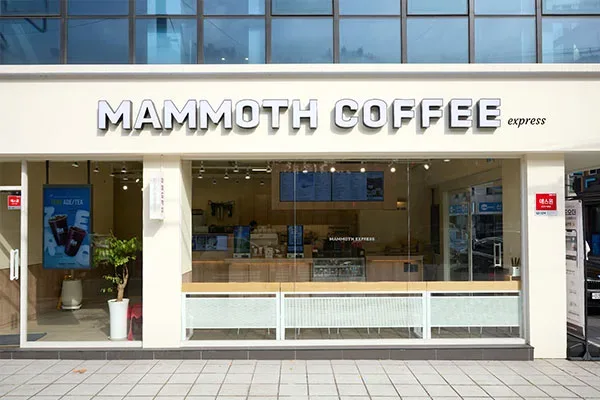
Mega MGC Coffee: 36.4%. The Venti: 30.6%. Mammoth Coffee: 27.2%. Compose Coffee: 27.0%. Paik's Coffee: 20.7%.
Within a single category — low-cost coffee — margins range from a low of 20.7% to a high of 36.4%. That's nearly a two-to-one spread.
The gap was even wider in 2024. Compose Coffee posted a striking 69.2% that year, a figure widely attributed to one-off effects surrounding its roughly 470 billion won (about $340 million) sale to a consortium led by Jollibee Foods. Paik's Coffee's comparatively low margin, meanwhile, reflects discount-promotion costs that parent company The Born Korea absorbed itself as part of an effort to support its franchisees.
Is a High Margin Automatically a Bad Sign?
Not necessarily — the number can shift depending on how a company's business is structured.
A headquarters that buys raw materials in bulk and resells them to franchisees will see both revenue and cost of goods rise together, which can push its gross margin down. Conversely, a headquarters that leans more heavily on royalties or company-owned stores carries less cost of goods, which can push the margin up. Two brands both reporting 36% can have very different underlying structures.
But from a franchise owner's seat, the calculus looks different. When a cup sells for just 1,000 to 1,500 won, the margin on each sale is inherently thin — owners need to move hundreds of cups a day just to turn a profit. In that environment, if headquarters is pulling a mid-to-high-30s margin on the mandatory supplies it sells to its own franchisees, it's natural for owners to wonder: "I'm surviving on volume while corporate is the one actually making money here."
The Legal Fight Over Markup Fees
This controversy traces back to a Korean Supreme Court ruling earlier this year that found Korea Pizza Hut's "differential franchise fee" — the markup a franchisor adds on top of cost when supplying mandatory items to its stores — constituted unjust enrichment.
Franchisees are required to buy designated supplies from vendors the headquarters selects, at prices the headquarters sets — they have no choice in the matter. When headquarters tacks on an excessive markup within that captive arrangement, owners feel they're effectively paying a second, hidden royalty. Since the Supreme Court's Pizza Hut ruling classified that markup as unjust enrichment, similar lawsuits have been spreading into the coffee industry.
One franchise-industry source predicted that "how mandatory-item pricing is set, how much is disclosed to franchisees, and how profits are actually split between headquarters and store owners are all about to face serious scrutiny."
What Aspiring Café Owners Should Check
The lessons for anyone weighing a café franchise are clear.
First, always check the gross profit margin. Before signing a franchise agreement, you can look up a headquarters' audited financial statements through Korea's DART electronic disclosure system (run by the Financial Supervisory Service). If a brand's gross margin runs well above the industry average, it's worth asking whether headquarters is taking an outsized cut on the supplies it requires you to buy.
Second, look at what share of your supplies are mandatory purchases. Find out what percentage of your total raw-material costs must come from headquarters-designated vendors. The higher that share, the less control you have over your own costs. A brand with a 90% mandatory-purchase ratio and one with a 50% ratio can carry the same headline gross margin but place very different burdens on their owners.
Third, add up franchise fees, royalties, and supply markups together. A low sign-on fee doesn't mean much if headquarters recoups it through markups on required supplies. Only by tallying the visible costs and the hidden ones together — the true total you pay headquarters — do you see your real profit structure.
Fourth, remember franchising isn't the only path. A franchise buys you brand recognition and an operating system, but in exchange you give up much of your control over costs. Going independent means building your own brand from scratch, but it also means you can source ingredients freely and set your own prices. Owning your cost structure outright makes a substantial difference over the long run.
Anatomy of a 1,500-Won Cup of Coffee
Consider what actually goes into that 1,500-won cup of coffee.
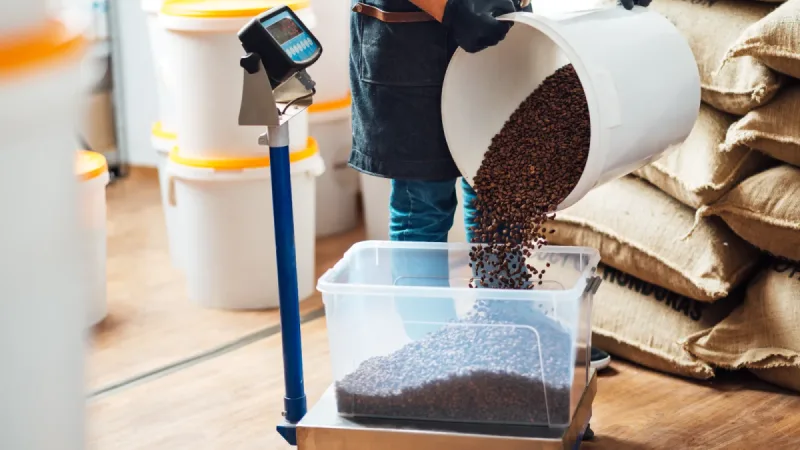
Beans, cups, straws, syrup, water, electricity, labor, rent, card processing fees. On top of that: the markup headquarters takes on mandatory supplies, royalties, and shared advertising costs. Whatever's left after all of that is the owner's actual profit.
Industry sources say that out of every 1,500-won cup sold, an owner often nets somewhere between 200 and 300 won. Selling 300 cups a day works out to roughly 60,000 to 90,000 won ($45–$65) in daily earnings. Trim just 5 percentage points off headquarters' markup on mandatory supplies, and an owner's take-home pay changes in a way they can actually feel.
Opening a café looks, on the surface, like the simple business of making coffee. In reality, it's arithmetic — a running calculation of cost structure and profit split. Whether headquarters does that math for you, or you do it yourself, is the single biggest difference between running a franchise and running an independent shop.
Whatever the outcome of these lawsuits, anyone preparing to open a café should walk in knowing one thing for certain: if you don't understand the cost structure behind the cup you're selling, someone else is designing it for you.