

Worried about falling behind in the age of AI, you sign up for online courses, study for certifications, even enroll in a bootcamp. But if the certificates keep piling up while your work and your life stay exactly the same, that frustration will sound familiar. This piece is an answer to that frustration — a clear direction for how to learn in the age of AI. It walks through why education and learning are not the same thing, what skill matters most now that AI can supply knowledge on demand, and how to put that into practice starting today.
Why the Certificates Pile Up but Nothing Changes
Education's output is completion; learning's output is change. That distinction is the whole problem. Finishing a course and getting a certificate marks the end of the education — it's not proof that you've changed. Sign up for a course to soothe your anxiety, and completion becomes the goal; the moment you finish, the learning stops too. That's why the anxiety never shrinks even as the stack of certificates grows. Real learning asks a different question from the start. Instead of "what do I get when this is over," it asks "how will I be different once I've gone through this." The first step of learning in the AI age isn't picking a curriculum — it's changing that question.
From Knowledge to Judgment: What's Left for Humans in the AI Age
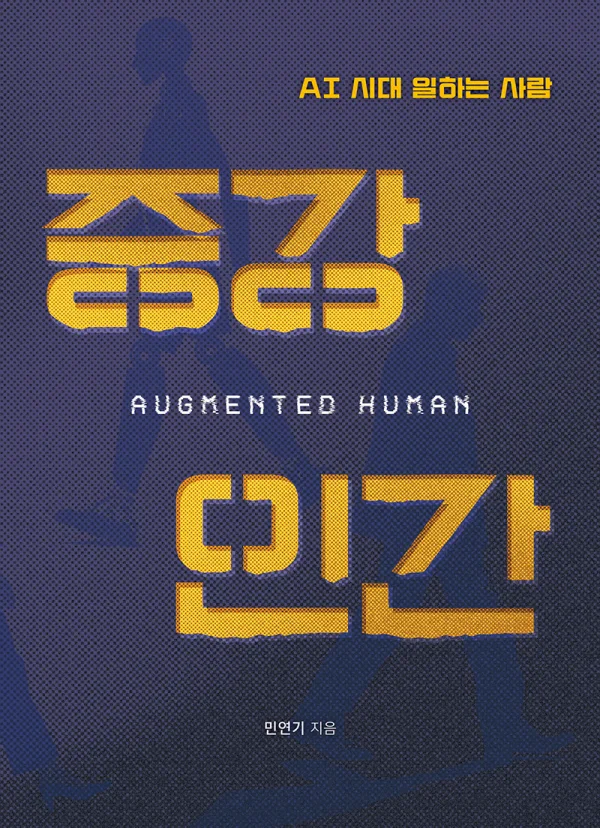
Before you can chart a direction, you need to see the terrain. We now live in an era where knowledge and skills are readily available from AI, and people who use AI as an extension of their own hands and eyes can be called "augmented humans." In this phase — call it "Work 3.0" — what's left for people to do is judge the value of what AI produces. Knowledge itself is no longer scarce, so the work now centers on the eye that can tell, amid a flood of output, what's worth keeping and what should be thrown out. That's also why more work gets lost to hesitation in the face of too much output than to a shortage of information. And the capability that determines the quality of that judgment is attitude. Here's how that flow breaks down.
You Can't Enroll in Attitude — You Can Only Build It
The trouble is, attitude doesn't show up on any course catalog. Knowledge is a search away, and AI will implement the skill for you, but the disposition to make a judgment call and stand behind it only grows through practice. Here are three exercises worth trying at work. First, before you accept an answer from AI, check its reasoning. Judgment builds not from confirming that an answer is correct, but from being able to explain to yourself why it's correct. Second, rewrite what you've learned in your own words. Knowledge you can't summarize isn't yours yet. Compress a single article or one chapter of a course into three sentences, and it becomes obvious exactly what you absorbed and what slipped past you. Third, keep a record of the times your judgment was wrong. Reviewing where you went off track is the surest way to train your attitude.
Designing an AI-Era Study Plan Around Change, Not Completion
Now shift the design standard for learning from completion to change. Before starting any new course or program, write down in one line how your behavior needs to be different once it's over. It has to be something you can verify afterward — "I'll draft reports with AI in half the time," or "I'll write my first proposal after this course without anyone else's help," not something vaguer. While you're taking the course, apply what you've learned to real work at least once a week. Once it's over, judge for yourself whether that one-line goal actually came true. If the answer keeps coming back no, course after course, chances are what you've been doing wasn't learning at all — it was spending money to quiet your anxiety.
A Checklist to Start Today
Here's how to put all of this into practice, starting now.
- From your current course list, cross off anything where completion itself has become the point.
- For every course you keep, write one line describing the behavior that should change once it's done.
- Before accepting any answer AI gives you, run it through a judgment check first.
- Track, week by week, whatever behavior actually changed — and if nothing did, change your method.
The only real report card for learning in the AI age isn't how fast your certificates pile up — it's how fast you change. Starting today, define yourself not as someone who collects courses, but as someone whose learning makes change happen.