In July 2016, Yeouido Hangang Park in Seoul was packed past eleven o'clock at night. Hundreds of people hunched over glowing screens, breaking into jogs, spinning in circles. What they were chasing was a small yellow creature, and the verb was singular: catch. That summer Pokémon GO launched worldwide, people hurled Poké Balls at Pikachu on their screens, and the one doing the catching was unmistakably human.

Ten years later, in the spring of 2026, a different scene is playing out above Seoul. Drones calculate their own delivery routes; humans follow those routes and stamp a signature line. The machine that was once the thing to be caught has begun to guide the human hand. How to read this reversal — subject and object switched — is a question Korean practitioners are each working out in their own way.

From Inside the Screen to the Physical World

Pokémon GO was the moment augmented reality first broke into everyday life. Within a month of launch it had 45 million daily active users worldwide, and Nintendo's stock climbed more than 90 percent in three weeks. But what people actually experienced wasn't just a game. It was the discovery that a digital layer could be superimposed on physical space — that a virtual object could have a location in the real world.

A decade later, drones arrived as the inverted form of that experience. Machines that move physically through the real world now navigate along digital paths on their own. As of 2024, drone delivery pilot programs are operating across three domestic regions — Gyeonggi, Gangwon, and Gyeongbuk — with the Korea Forest Service and local governments deploying drones to carry medicines and emergency supplies to remote mountain communities. According to the Korea Transportation Safety Authority, by the end of 2025 more than 130,000 people in South Korea had obtained certified drone pilot licenses.

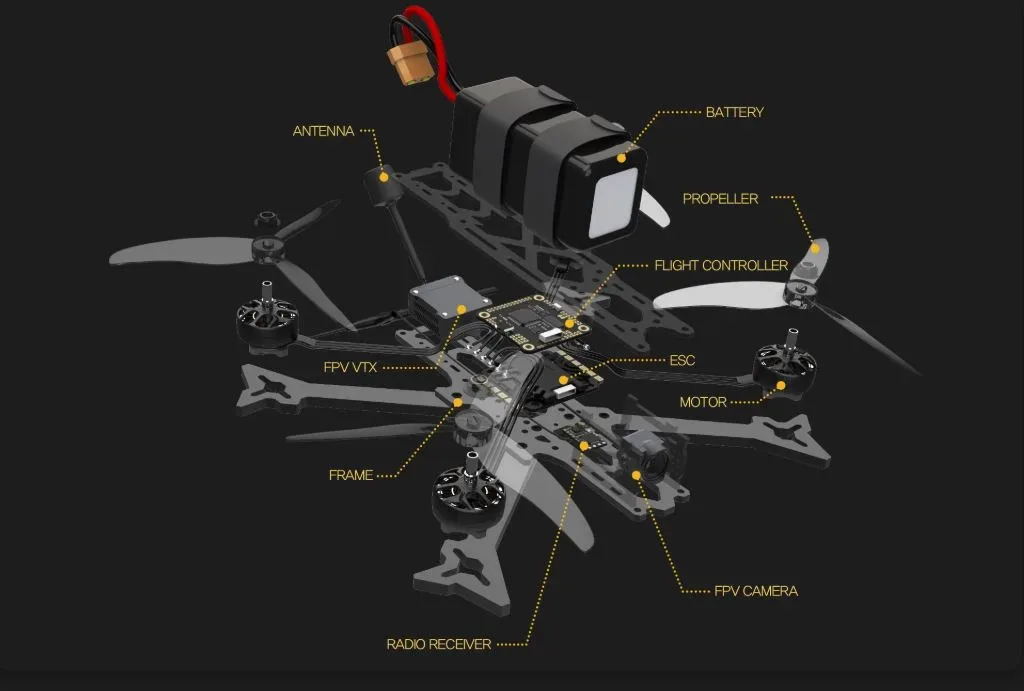
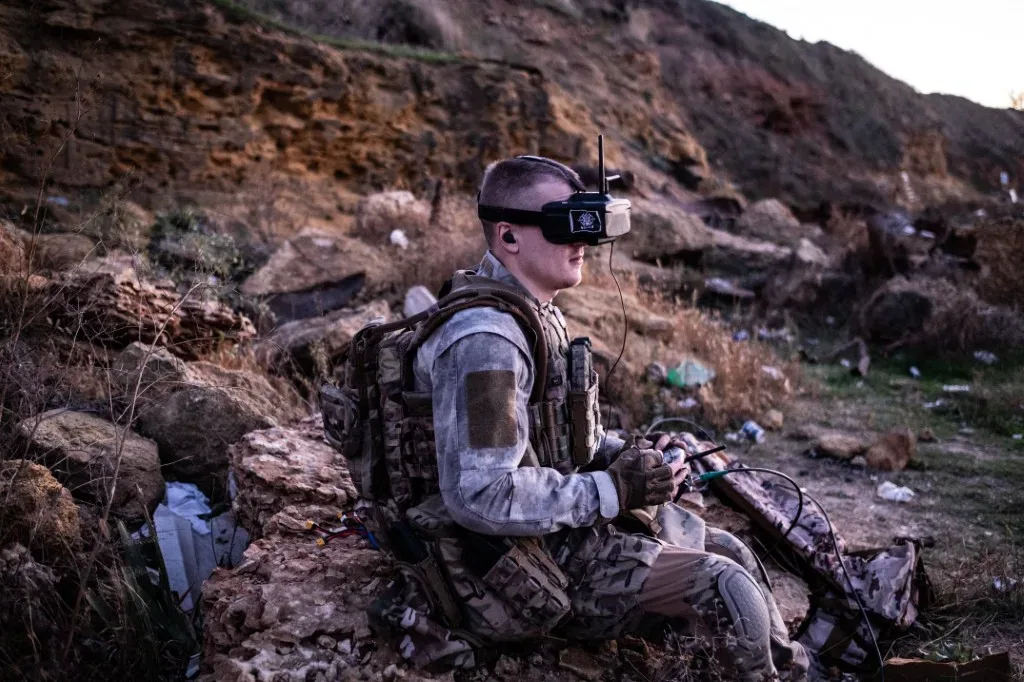
Shifts are visible in sports and recreation too. FPV (first-person view) drones spread rapidly among content creators and photographers from around 2022–2023. The operator puts on a goggle headset and sees exactly what the drone's camera sees — the pilot's perspective is literally transplanted inside the machine. The human is still the subject; but the human's point of view has migrated into the device.

How the One Who Once Caught Became the One Being Led

Read this reversal simply as a story of technological progress and you miss something. A more precise frame is the gradual migration of agency between tool and human.

In the Pokémon GO era, the app showed you a location — but judgment and action were yours. Even when the screen pointed toward Pikachu, you decided whether to climb the hill. Today's autonomous drones calculate the route themselves. Delivery drones detect obstacles, generate alternate paths, and select landing zones. The scope of what humans decide has narrowed from "where to" to "when" to, finally, "should I accept this package at all."

That said, reading this trend as purely alarming misses important context. Views on autonomy differ even within the drone industry. Advocates of FPV piloting culture argue that full autonomy could push a significant share of drone use into legal gray zones — that when an autonomous drone encounters an unexpected situation, liability becomes murky — and that precision aerial work often produces better results under direct human control. The drone racing circuit and FPV video content market are in fact growing in ways that increase the value of human piloting. Automation does not replace everything; in certain domains, a human operator at the controls is a genuine competitive advantage.

The problem of automation bias — already well documented in commercial aviation — belongs in this conversation too. Just as pilots who grow accustomed to autopilot can lose their feel for manual flight, drone operators may follow the same trajectory. Research supports the concern: the more operators rely on algorithms for route planning, the weaker their situational awareness tends to become.

What Independent Operators Need to Check

The drone story can feel distant from solo entrepreneurs or independent strategists. But the pattern — the hand holding the tool is, at some point, led by the tool — operates identically for Korean practitioners using AI tools, automated workflows, or AI-assisted content systems.

First you asked ChatGPT questions. Then you wrote using the structure AI suggested. A little further on, you're filling in content inside a column template the AI generated for you. You started by using a tool; somewhere along the way the tool began deciding how you work. That the transition is so hard to notice is exactly what makes this parallel to the drone autonomy problem.

Removing human-approval steps from a workflow one by one raises productivity. It saves time. But just as a drone operator makes a final check before an autonomous landing, staying personally present at the critical decision points is, in the long run, more resilient. Once the capacity to review what you've delegated atrophies, the entire operation is shaken whenever the tool changes.

Something similar happens when a whole workflow becomes dependent on a single AI platform or automation system. Once every six months, it's worth asking: if this tool disappeared tomorrow, what happens to my work? It's the exercise of separating what's portable from what's locked in.

I notice that expert FPV pilots don't fly exclusively on automatic. They keep their hands on the sticks; they maintain the tactile, kinesthetic sense of control. It's precisely because they have that feel that they can judge when to use automation and when not to. The same logic applies to anyone using AI tools. Even if AI wrote the first draft, being able to explain why it came out that way — keeping that explanatory capacity alive — is what keeps the hand on the tool rather than the tool on the hand.

What the hundreds of hands that hurled Poké Balls at Pikachu on the banks of the Han River in the summer of 2016 are each holding now — and whether those hands are leading or being led — is not only a drone story. It is the question of whether the verb from the first time you picked up a tool — catch — is still in the active voice.