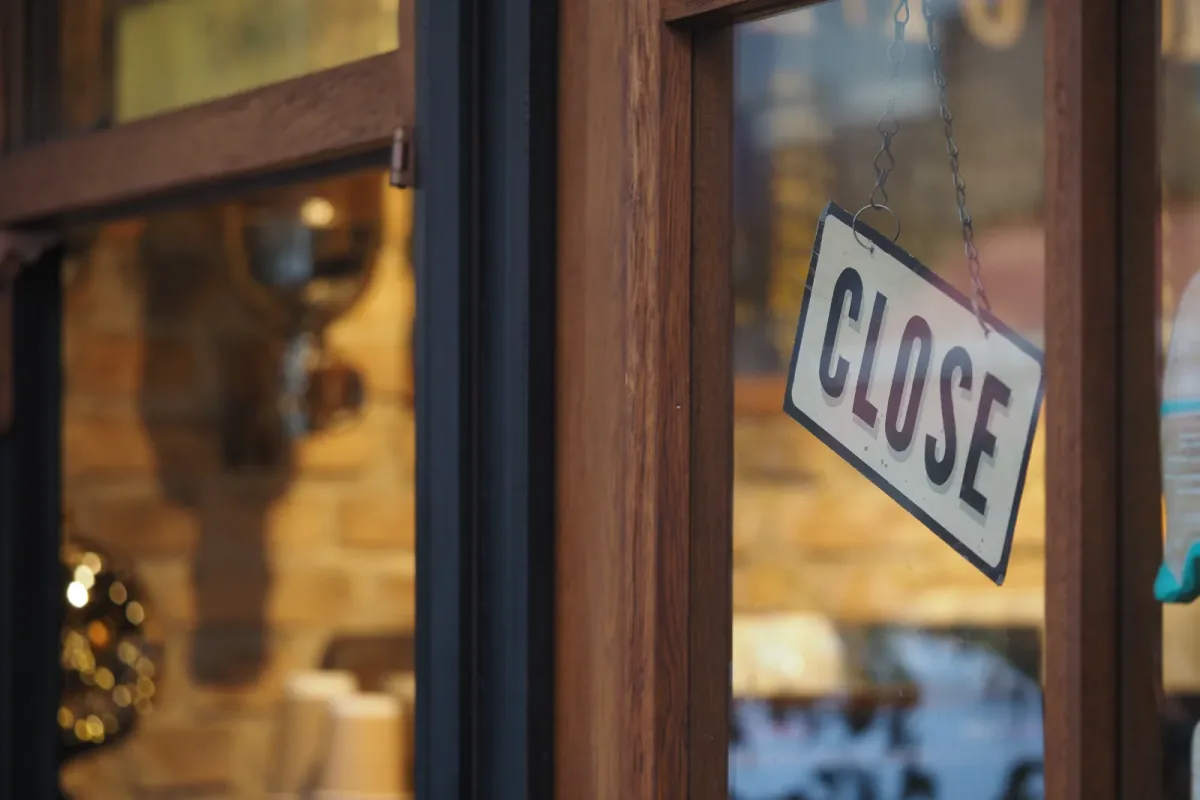
With low-cost coffee chains and unmanned cafés popping up on every corner these days, once sales start slipping, many owners immediately reach for expensive fixes — a full interior renovation or a move to a new location. But more often than not, the reason customers stop coming has nothing to do with the location and everything to do with what's happening inside the store. This piece reframes how to boost café sales as a question of sequencing — what to fix first — and lays out what you can start checking today without spending a cent.
How to Boost Café Sales: Blame the Location Last
A café's competitiveness breaks down into two categories: "hardware factors" — location, store size, facilities — that are hard to change once set, and "software factors" — taste, quality, service — that you can act on right now. Trace a sales decline back to hardware, and the conclusion is always the same: relocate or renovate, both expensive. Check the software first, though, and you'll often find problems you can fix for free. Get the order wrong, and you spend the money while the problem stays exactly where it was. If coffee that sold fine yesterday isn't selling today at the same address, the location isn't what changed.
The Most Dangerous Customers Never Complain
Customers who complain are, in a way, a gift — they tell you exactly what went wrong and give you a chance to fix it. The truly dangerous ones are the customers who say nothing and simply never come back. They smile on their way out past the register and never walk through the door again, and the owner only realizes something's wrong once the sales numbers have already dropped. A café that's quietly losing sales is, in most cases, the accumulated result of this silent attrition. So the first question to ask when sales fall isn't "how do I bring in new customers" — it's "why aren't the customers who already came back coming back."
The Standard for Service Isn't Kindness — It's What the Customer Paid For
Think of service as a matter of goodwill — a smile, a little extra — and there's no real way to check it. The actual standard is simple: are you legitimately delivering what matches what the customer paid for? If someone paid for a cup of coffee, they should get exactly that value in taste, temperature, service, and cleanliness, every single time. If the cup comes out lukewarm some days, if a rush of orders makes the staff curt, if the restroom is spotless one day and not the next, the customer isn't getting what they paid for. And instead of complaining about it, they quietly take their business to another café.
In the People Business, Process Decides Who Wins
Running a café is, in the end, a people business. But what decides the outcome isn't the owner's passion or how perceptive any one employee happens to be — it's process. A recipe that turns out the same no matter who's working, a service sequence that holds up even during peak hours, a cleaning routine that repeats the same way at closing every day. Only once these things become documented habits do you get consistent quality every day, not just on the days when everyone's in a good mood. If customers are thinning out, look for the gap in the process that let quality swing with whoever happened to be on shift before you start blaming people.
Five Things to Check Today
1. Start with your repeat-visit rate. If familiar faces are thinning out, the problem isn't your location — it's inside your store.
2. Order your own menu like a customer would, and actually drink it. Ask yourself honestly whether the taste and temperature live up to the price.
3. Watch the order–prep–delivery process during peak hours and note where it changes depending on who's working.
4. Turn those points into a documented sequence anyone can follow, and share it with the entire staff.
5. Only after fixing all of this, if the decline continues, is it time to start suspecting the hardware.
How to boost café sales ultimately comes down to sequence: before blaming what you can't change, ask first whether you've changed everything you can. Start today by asking whether your store is quietly turning customers into people who never come back.