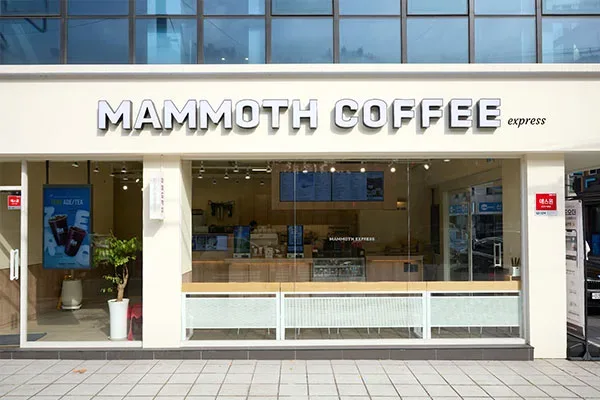


In the heart of Seoul, a fried-chicken shop owner is pulling down the shutters for the last time. He had opened the place with the 100 million won (about $73,000) severance payout he received after 20 years on the job. He held on for two years, but he couldn't keep up with 3.5 million won in monthly rent and the rising cost of chicken. Last year, 6,000 businesses closed their doors this way in Seoul alone.
The old formula — take your severance and open a chicken shop or a convenience store — is breaking down. It's the new reality created by a saturated small-business market and stubbornly high inflation.
More Closures Than Openings
According to data from Statistics Korea, the closure rate for Seoul's retail, food, and lodging businesses overtook the startup rate for the first time in 2023. In other words, more shops are shutting down than opening up.
This is a structural shift, not just a passing downturn. Even franchise headquarters are now focused on improving the profitability of existing stores rather than expanding their footprint — a sign that the market has moved past maturity into outright saturation.
It also marks the end of the illusion of the 'safe startup.' The kind of business you could launch with a severance check or a savings account is no longer a safe bet.
A Higher Barrier to Entry
Opening a chicken shop used to cost between 50 and 80 million won, including key money (a lump-sum premium paid to the previous tenant). Today it runs past 100 million won — plus monthly rent of 2 to 4 million won on top of that.
The bigger problem is operating costs. The wholesale cost of a single chicken has jumped more than 30 percent, and labor costs have surged along with minimum-wage hikes. Revenue stays flat or falls while expenses keep climbing.
Convenience stores are no different. Franchise fees, deposits, and interior buildout add up to at least 150 million won. Yet the average convenience-store owner clears only 2 to 3 million won in net monthly profit.
The Middle-Aged Founder's Dilemma
The trouble is that middle-aged workers have few alternatives. A salaried employee who takes early retirement at 55 faces a narrow set of options. Getting rehired is hard, and starting a business has become risky.
Their capital amounts to little more than a severance payout and some savings. They lack the expertise for real-estate or financial investing. In the end, running a shop was the only option left — and even that isn't what it used to be.
Cafe-management consultants like to stress that 'operating a business matters more than starting one.' But the reality for middle-aged founders is that they have neither the time to build those operating skills nor the cushion to absorb a failure.
Time for a New Survival Strategy
The news of 6,000 closures in Seoul reflects a shift in the market's structure, not the failure of individual owners. It's time to rethink retirement strategies built around running a small business.
Finding an alternative means changing how we think about starting a business. Instead of pouring an entire severance payout in all at once, the smarter approach is to start small and accumulate experience.
It's also worth considering business models that lean on systems rather than individual skill. Even with a proven franchise, it pays to scrutinize the profitability carefully and to choose a field where you can actually tap the parent company's support systems.
The era of opening a chicken shop with your severance check is over. Surviving now demands a more cautious, more systematic approach.